Use this guide to spot and fix the silent issues hurting seo or design first - how smart brands build sites that win on both.
- Designing without keyword or intent research, leading to thin content.
- SEO done in isolation, resulting in clunky experiences.
- Performance ignored until late, hurting both rankings and UX.
- Why seo or design first how smart brands build sites that win on both matters now
- Common mistakes that hurt seo or design first how smart brands build sites that win on both
- Step by step plan to improve seo or design first how smart brands build sites that win on both
- Practical examples you can adapt
- Quick checklist before you publish
- How to measure success
- Suggested internal links
- Key terms explained
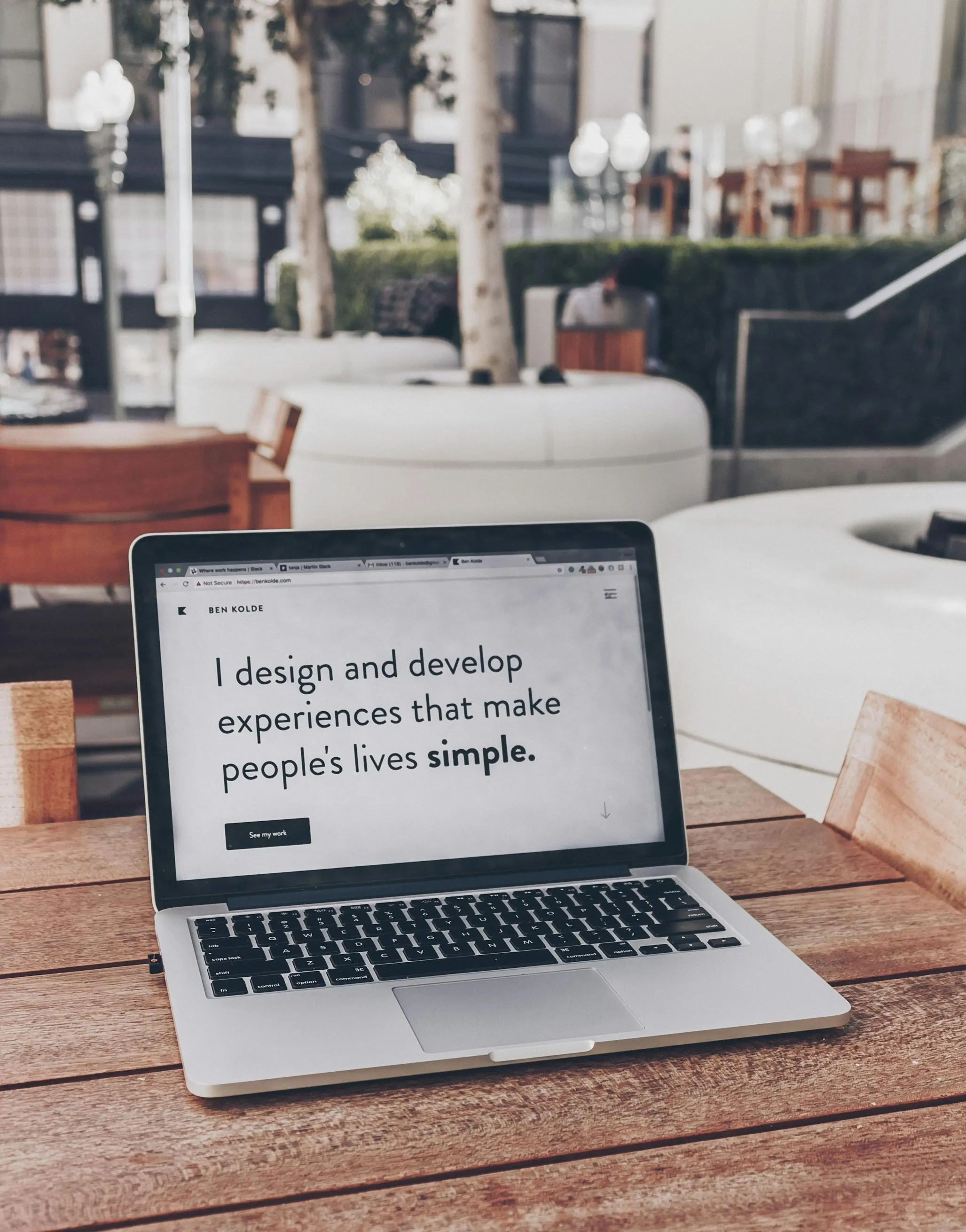
Seo Or Design First How Smart Brands Build Sites That Win On Both matters because SEO and design work best together. Research shapes structure; design makes it easy and persuasive. This guide gives marketing and design teams planning a new site a clear, plain language playbook to improve results without heavy jargon.
You will see terms like Search Engine Optimization (SEO), User Experience (UX), Call To Action (CTA), Conversion Rate Optimization (CRO), Content Management System (CMS), and Customer Relationship Management (CRM). Each is explained in simple language so non technical readers can follow along.
Why seo or design first how smart brands build sites that win on both matters now
SEO and design work best together. Research shapes structure; design makes it easy and persuasive.
Common pain points include:
- Designing without keyword or intent research, leading to thin content.
- SEO done in isolation, resulting in clunky experiences.
- Performance ignored until late, hurting both rankings and UX.
- Content not aligned to buyer journeys or real questions.
- Lack of collaboration between writers, designers, and developers.
Common mistakes that hurt seo or design first how smart brands build sites that win on both
Avoid these traps that quietly reduce trust, rankings, or conversions:
- Choosing visuals that slow the page to a crawl.
- Keyword stuffing headings instead of writing for humans.
- Ignoring accessibility, which hurts both rankings and usability.
- Skipping schema markup that could improve search snippets.
Step by step plan to improve seo or design first how smart brands build sites that win on both
Follow these practical steps in order. Each step uses plain language and can be delegated or tackled in short sprints.
- Map keywords to buyer stages and build an information architecture around them.
- Create page outlines that pair content needs with UX patterns before visuals.
- Design components that handle headings, proof, and CTAs consistently.
- Develop with semantic HTML, accessibility, and performance budgets baked in.
- Launch with redirects, structured data, and analytics configured.
- Run ongoing CRO tests once traffic stabilises.
Practical examples you can adapt
Use these scenarios as templates. Adjust the wording and details to fit your offer, industry, and style.
- A service page that blends research driven headings with a clean, fast layout.
- A resource library that clusters content by intent and links to key CTAs.
- Design reviews that include SEO and content leads before sign off.
- Using lighthouse and real user data to validate designs pre launch.
Quick checklist before you publish
Run through this checklist so the page is clear, trustworthy, and ready for visitors:
- Keyword and intent research informs the site map.
- Page outlines approved before pixel perfect design.
- Design system includes accessible, fast components.
- Schema, analytics, and redirects ready at launch.
- CRO testing plan queued once traffic is steady.
How to measure success
Track a few metrics so you know whether the work is paying off. Save benchmarks before you change anything.
- Organic traffic and rankings for target terms after launch.
- Core Web Vitals scores as a shared KPI between design and dev.
- Conversion rates on key pages influenced by both copy and design.
- Engagement with internal links to related guides and services.
Suggested internal links
Point readers to related resources so they can dig deeper without leaving your site.
Key terms explained
- Search Engine Optimization (SEO): How well pages are built and written so search engines can rank and show them.
- User Experience (UX): How easy and pleasant a site feels for visitors as they browse and act.
- Call To Action (CTA): A prompt such as a button or link that directs visitors to take the next step.
- Conversion Rate Optimization (CRO): Improving pages so more visitors complete a goal like filling a form.
- Content Management System (CMS): Software used to edit and publish website content without heavy coding.
- Customer Relationship Management (CRM): A system that stores leads, enquiries, and customer interactions.
Conclusion: seo or design first how smart brands build sites that win on both
Seo Or Design First How Smart Brands Build Sites That Win On Both becomes manageable when you focus on clarity, trust, and simple measurement. Start with one section, ship improvements weekly, and keep refining based on what real visitors do.
Add short check-ins with customers or peers to see if the guidance in seo or design first how smart brands build sites that win on both makes sense when you say it aloud. Speaking through your plan builds confidence, reveals jargon that needs to be simplified, and keeps your messaging grounded in everyday language.
Write down the before and after state you expect once you apply these tips. When the outcome is visible on paper it is easier to prioritise, sequence the work, and ask for feedback from stakeholders who may not be technical.
Share drafts of your new sections with someone outside your team. If they can explain the page back to you in their own words, you know the copy is clear. If they stumble, tighten the headline, shorten the sentences, and clarify the benefit again.
Time-box each improvement. Give yourself an hour to tune one part of the page, then review results the next day. Small, frequent iterations reduce risk and still move you toward the larger goal without waiting for a big relaunch.
Keep a simple change log inside your CMS so you can trace which edits raised or lowered enquiries. When something works, replicate it on other high traffic pages. When it does not, roll back quickly and test a different approach.
Remember that people skim. Use short paragraphs, subheadings, and bullet points so scanners can pick up the promise, proof, and next step in under a minute. The clearer the structure, the more trust you earn.
Add short check-ins with customers or peers to see if the guidance in seo or design first how smart brands build sites that win on both makes sense when you say it aloud. Speaking through your plan builds confidence, reveals jargon that needs to be simplified, and keeps your messaging grounded in everyday language.
Write down the before and after state you expect once you apply these tips. When the outcome is visible on paper it is easier to prioritise, sequence the work, and ask for feedback from stakeholders who may not be technical.
Share drafts of your new sections with someone outside your team. If they can explain the page back to you in their own words, you know the copy is clear. If they stumble, tighten the headline, shorten the sentences, and clarify the benefit again.
Time-box each improvement. Give yourself an hour to tune one part of the page, then review results the next day. Small, frequent iterations reduce risk and still move you toward the larger goal without waiting for a big relaunch.
Keep a simple change log inside your CMS so you can trace which edits raised or lowered enquiries. When something works, replicate it on other high traffic pages. When it does not, roll back quickly and test a different approach.
Remember that people skim. Use short paragraphs, subheadings, and bullet points so scanners can pick up the promise, proof, and next step in under a minute. The clearer the structure, the more trust you earn.